
Written by: on January 9, 2026
For fifteen years, I lived and breathed teaching. Eleven of those years were spent in a primary school that felt like home. I worked with pupils and families who shaped my life in ways I still carry with me. My colleagues became friends I treasure and people I will know for life. I loved my school and the community that came with it. Yet alongside all that joy sat a constant sense of sacrifice.
The profession has a remarkable way of becoming everything. It fills the evenings, the weekends and all the small pockets of life where you hope rest might live. Building a home and becoming a mother made this even more stark.
Suddenly, the balance between personal life and professional duty did not simply wobble; it tipped. I worked as hard as I possibly could because I cared, but my own life often felt as though it had to fit around the job rather than the other way round.
Throughout my career, I campaigned relentlessly to reduce teacher workload. I took on the role of Union Representative and worked closely with staff across my district who were struggling with similar pressures. The message was always clear: teachers needed time. Time to think, time to plan effectively and time to build relationships with the incredible young people in front of us.
These relationships were what made the job meaningful. They were the reason many of us joined the profession in the first place. When teachers had the capacity to truly know their pupils, the whole classroom shifted. Learning became purposeful, behaviour improved, and the sense of community strengthened.
Those small humans deserved our full attention, yet we were drowning. Paperwork, planning requirements, constant checks, book looks, repeated assessments and the relentless cycle of data filled our days. The ’O’ word was thrown around with the same energy as if something dreadful were looming. Assessments were drilled into, picked apart and pored over.
Teachers measured inputs and outputs so frequently that the human element was often forgotten. The job became a checklist, something to get through. Lessons felt scripted, and planning felt as though it belonged to a template instead of a teacher. The heart of the profession felt at risk.
What do teachers truly love?
We love learning about our pupils as people. We love hearing about a new karate belt, a proud moment at scouts or something funny that happened at home. We love watching the spark appear when something finally makes sense. We love helping children feel proud of themselves. These are the moments that shape lifelong learners and help children believe in who they are. Yet, when time is swallowed by tasks that do not meaningfully change outcomes, that vital connection becomes harder to sustain.
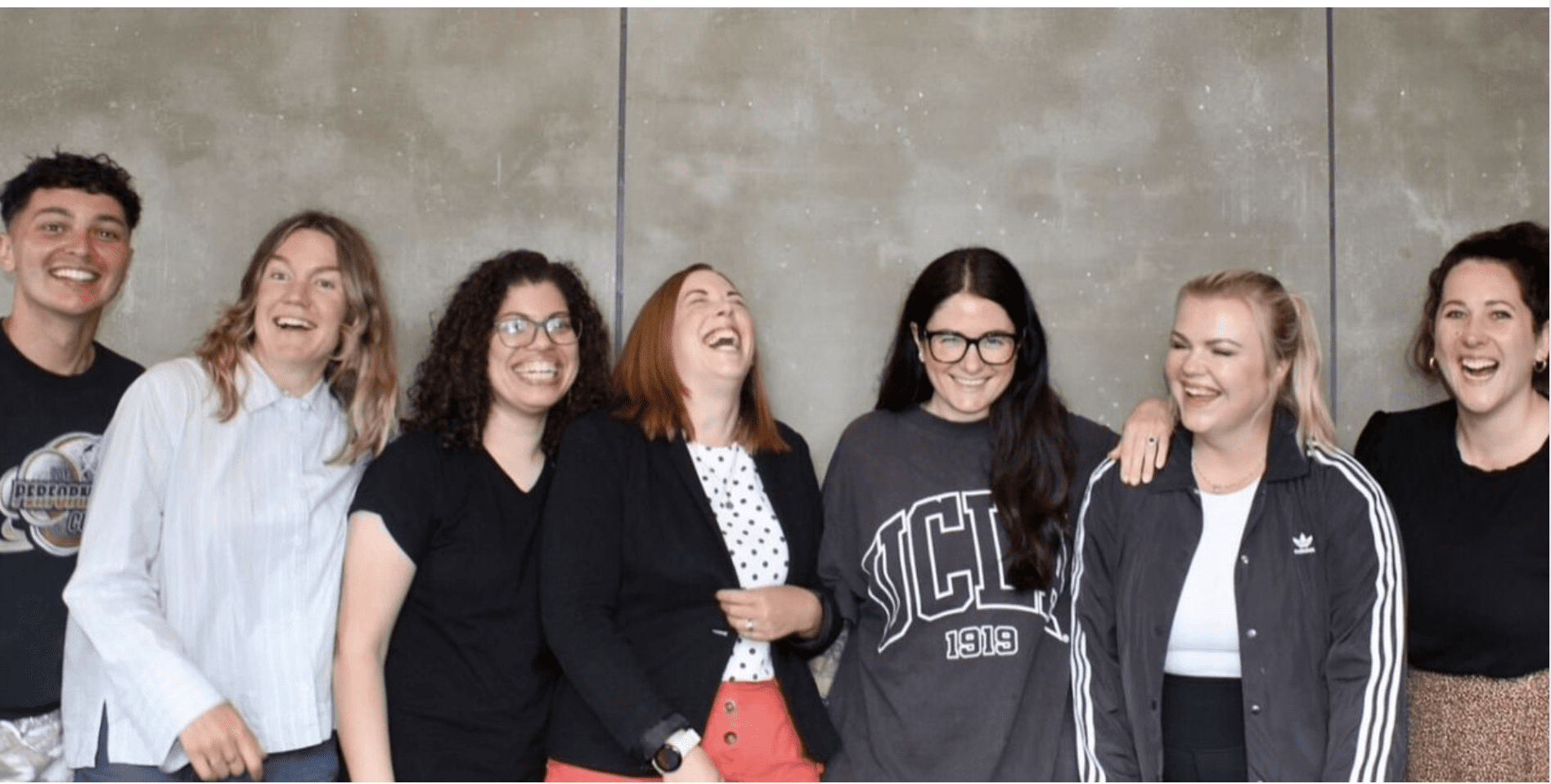
In the end, I did not stay. I made the difficult decision to leave teaching. It was not because I no longer cared. It was because I cared too much to continue in a system that did not allow the best of teaching to shine.
Now, I work for InnovateHer– a social enterprise committed to empowering girls and non-binary students to see themselves in the world of technology. Our work focuses not only on teaching technical skills and providing free teacher resources, but on helping young people recognise that they can shape the future in meaningful ways.
In this role, I meet professionals across the tech industry who are creating tools that could ease teacher workload and free up time for what truly matters. Stepping away gave me a new perspective. From the outside looking back in, I began to see the profession differently and see the possibilities.
I recently spoke with an ambassador who is developing an app that allows teachers to take a photograph of a pupil’s work. The system uses artificial intelligence to provide feedback and collate information for reports for senior leaders or parents. No repeated typing and endless spreadsheets. No scrambling to pull everything together before a data drop. One small action can now produce something that once consumed hours.
Another example of technology helping to save teacher time was when I created a presentation using Canva with artificial intelligence enabled. The speed and ease with which it all came together genuinely stopped me in my tracks. I had a sudden realisation: If I had had access to this kind of technology during my teaching years, would I have stayed? Would the balance have felt more manageable? Technology alone will not solve every issue in education, but it has the potential to remove some of the pressure that currently takes teachers away from children.
There is a genuine opportunity here. A chance to rethink not only the workload but the entire assessment system. If artificial intelligence can support the mechanics of marking and reporting, is there still a place for constant fact recall at sixteen? Should we still be encouraging memorisation over critical thinking when the world’s young people will enter a workforce that demands creativity, adaptability, leadership and collaboration? Employers repeatedly ask for skills rooted in communication, problem-solving and innovation. These are areas where artificial intelligence cannot replace the human touch.
Perhaps this is the moment to align the curriculum more closely with the world of work. Maybe it is time to let young people engage in deeper learning that connects with real experiences and real futures. Coursework may need rethinking, and subject content may need refreshing. What an exciting prospect, if this change is done with care and with young people at the heart of the process.
I hold hope for the future of education. I believe in the potential of our schools, our teachers and our pupils. There is space for change if decision makers are willing to embrace it. Technology could offer real relief rather than additional pressures. It could free teachers to do what they do best: teach, listen, support and inspire.
Our children deserve an education system that sees them as whole people, and our teachers deserve a career that values their time, their skill and their humanity. With thoughtful use of emerging technology and a willingness to adapt, we can build an education system worthy of the next generation.
The future is there for us to shape. Now, we need the courage to make it happen.
If you would like to learn about how InnovateHer could support in teaching and with schools, please click here.
Back to news and views